Optics
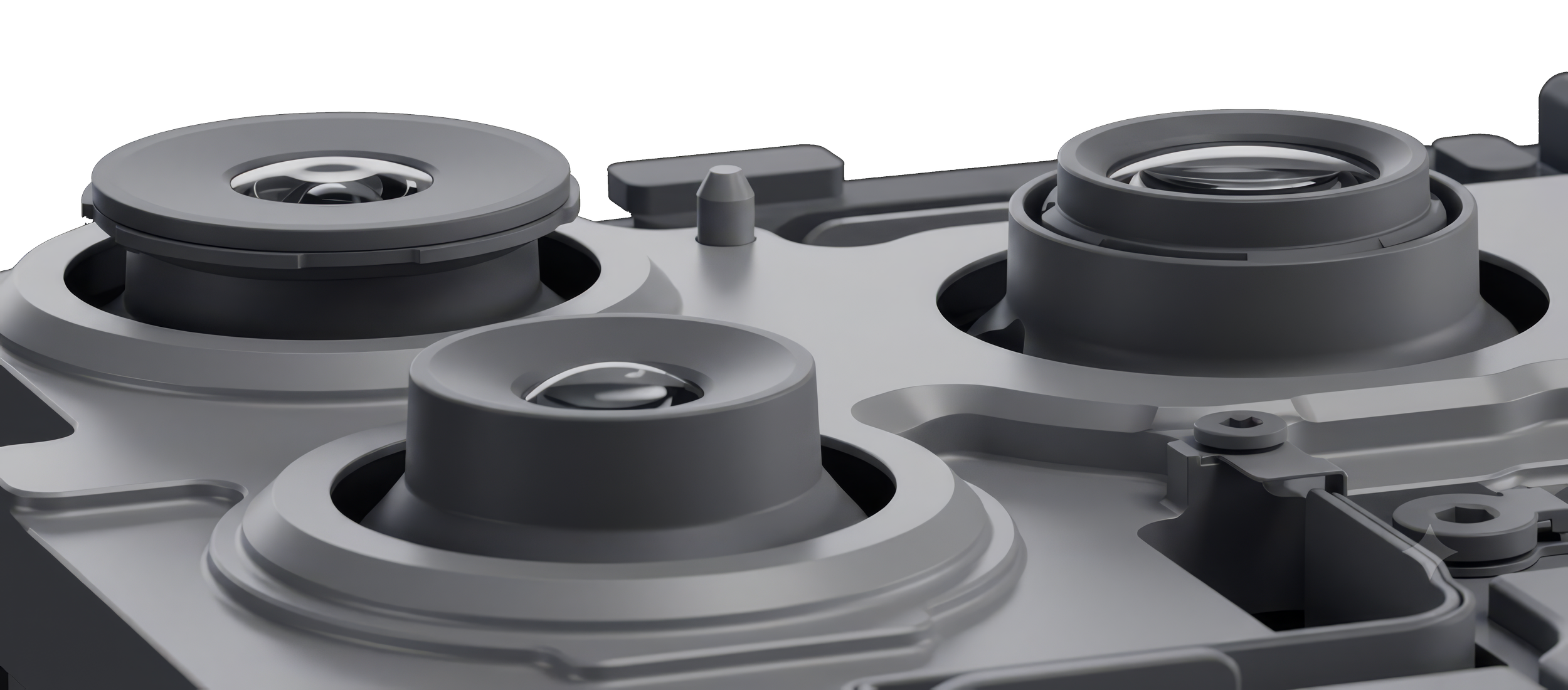
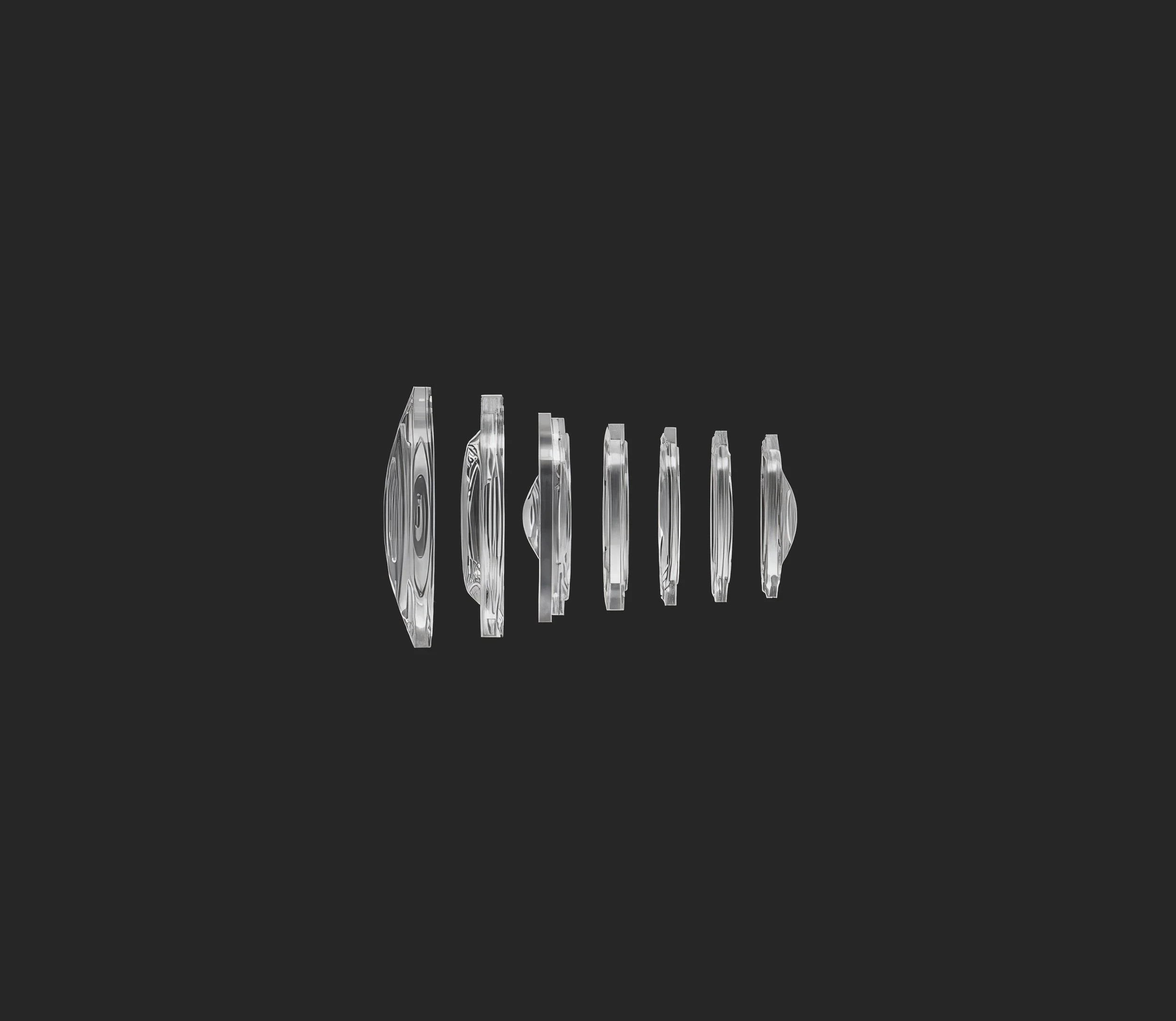
When it comes to advanced optical components, precision and clarity are non-negotiable. At MHS, our revolutionary M3 technology fundamentally changes the physics for micro injection molded lenses. By redefining melt control and eliminating traditional flow limitations, the M3 system prevents shear stress and degradation of sensitive optical polymers. This breakthrough offers unprecedented new possibilities for lenses, empowering designers to achieve flawless clarity and scale down to geometries previously thought impossible for medical devices, augmented reality, and consumer electronics.
Clear Advantage
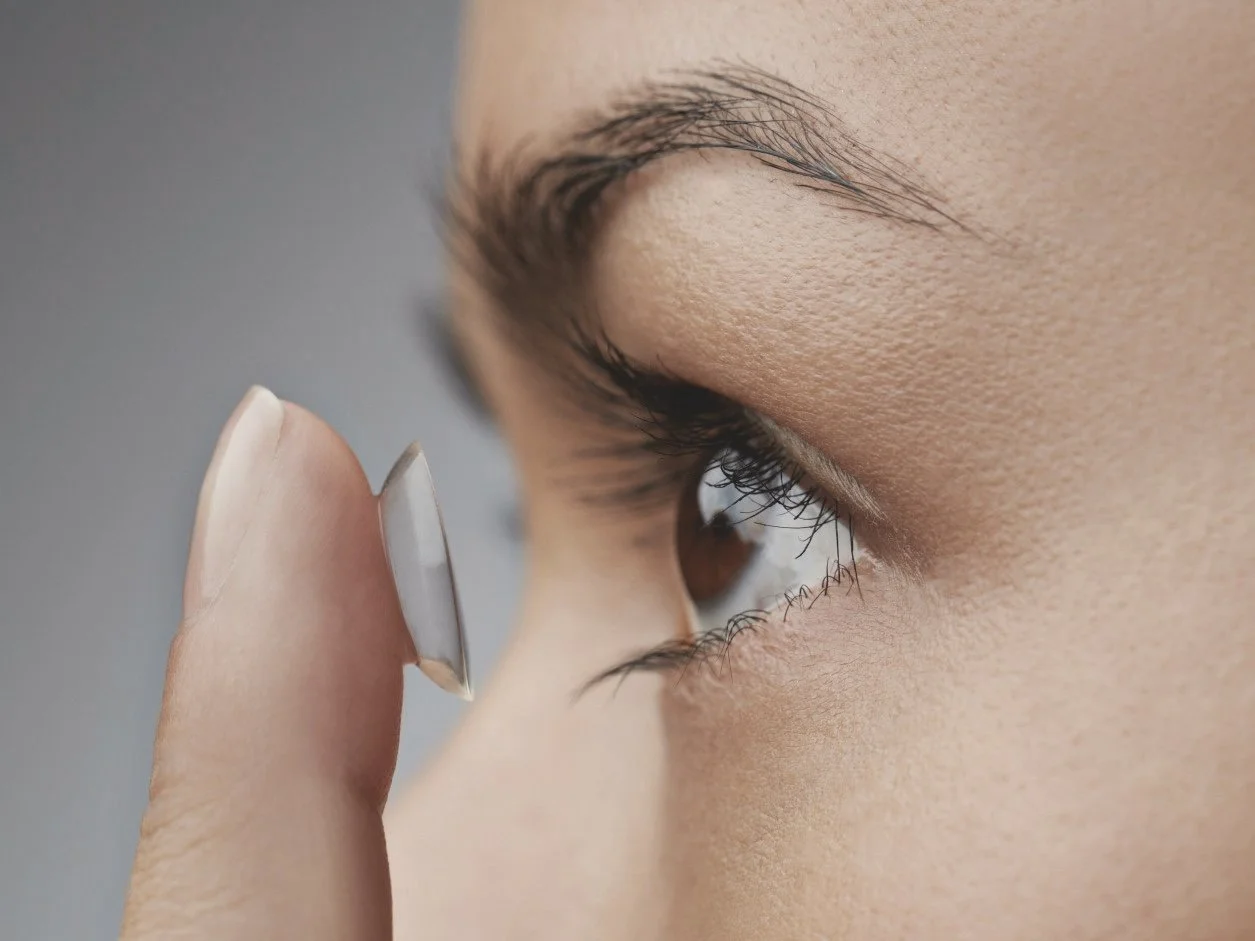
Our high-pressure densification process fundamentally enhances the optical capabilities of polymers, delivering flawless, DSLR-quality clarity for next-generation mobile optics. By solidifying the melt under 2000 bar of pressure at an elevated glass transition temperature, we eliminate the internal stress gradients that cause birefringence, ensuring high-contrast images that are free of optical artifacts. This extreme thermodynamic control also increases the polymer's refractive index and mitigates volumetric shrinkage, allowing designers to achieve flatter aspheric curvatures that reduce the camera module's overall Z-height while maximizing edge-to-edge sharpness.
Scaleable Solutions
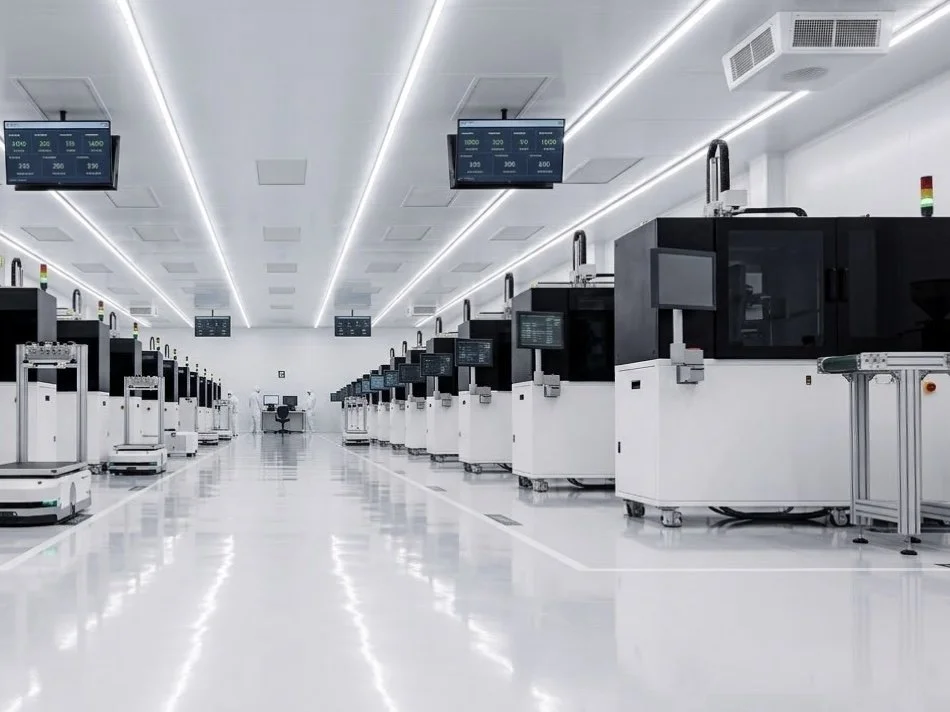
Transitioning from prototyping to high-volume mass production has never been more seamless. The M3 architecture overcomes traditional scale-up challenges through its modular design, utilizing independent ISOKOR™ micro-injection modules. Once thermal and pressure parameters are validated on a single 8-cavity pilot module, manufacturers can instantly scale up for mass production by stacking identical modules. Because each module contains its own injection unit and valve gate, the flow path, thermal history, and densification pressure for every lens remain perfectly identical, delivering "copy-exact" scalability that ensures prototype quality at mass-production volumes.
No Cold Runners
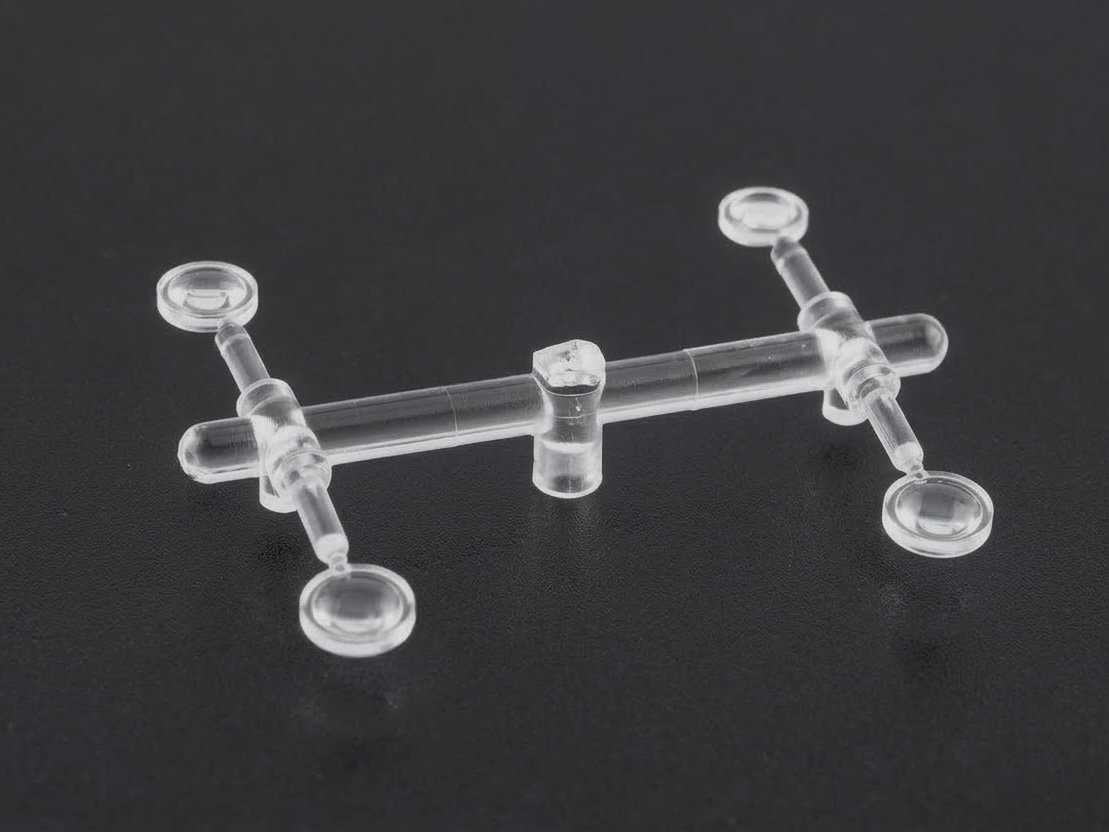
Traditional micro-molding relies on thick runner systems that can solidify up to 96% of expensive optical-grade polymer as waste. The M3 system utilizes direct valve gating to extend the hot runner directly to the cavity gate, completely eliminating the cold runner penalty. This zero-waste process ensures 100% of the injected polymer becomes a saleable product, saving hundreds of thousands of dollars annually in raw resin per machine cell. By removing the thick runner that artificially inflates the cooling phase, the M3 system also accelerates total cycle times to under 4 seconds*, drastically reducing unit manufacturing costs by 40% to 60%.
The M3 micro molding machine by MHS is a high-precision, fully automated injection molding system designed for ultra-small, high-tolerance parts. Utilizing ISOKOR™ technology, it ensures consistent shot-to-shot quality with a cleanroom-ready, all-electric platform. The M3 excels in multi-cavity production with zero material waste, making it ideal for medical, electronics, and micro-optics applications. Its servo-driven, high-speed injection system delivers unmatched repeatability, while its modular design supports rapid mold changes, enhancing efficiency for demanding micro-molding projects.
M3 Micro Molding

White Paper
Next-Generation Mobile Optics
M3 technology transforms the manufacturing of smartphone lenses by combining direct valve gating with an ISOKOR™ high-pressure thermal densification process to eliminate material waste and elevate optical performance. By completely removing the traditional cold runner system, the M3 achieves zero polymer waste and accelerates production cycle times, yielding up to a 60% reduction in unit manufacturing costs and serving as a highly efficient 3-to-1 machine replacement. Applying 2000 bar of pressure during molding increases the polymer's refractive index, enabling flatter aspheric curvatures that directly reduce the camera module's overall Z-height. Furthermore, this process aggressively mitigates volumetric shrinkage and utilizes low-shear melt handling to eliminate internal stress, which drastically improves edge-to-edge image sharpness, eliminates birefringence-induced ghosting, and easily accommodates wider f/1.4 apertures without edge warpage. Finally, the system relies on independent injection modules to guarantee "copy-exact" scalability, allowing manufacturers to seamlessly expand from prototype testing to mass production without risking any changes to the validated thermodynamic fingerprint.